


 Come visit us on Instagram for daily inspiration and positive affirmations @intuitiveaffirmations
#krishna

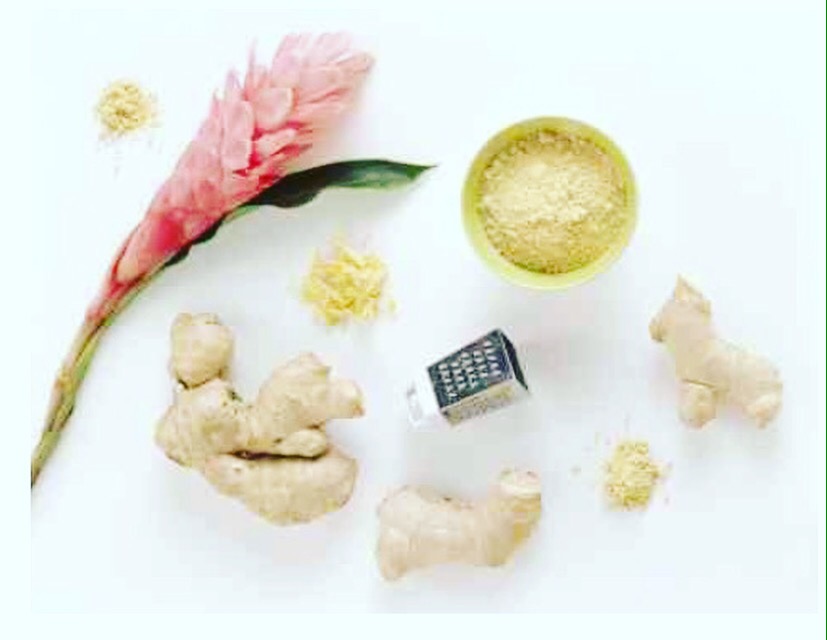
Spiked Ginger lily is the name of this plant that possesses significant restorative properties through anti-oxidants found in Spiked Ginger Lily

and has a long history of use for promoting hair growth by stimulating hair’s roots, makes hair grow thicker and enhances hair for a beautiful shine. #weloveflowers #thankfulthursday 🦋 -#krishna


I love to create and design it is such a healthy outlet. Helpful and healing in every way. Especially on a day today.
New Year’s Eve! This is the one night of the year when society unites in a pro-drinking mentality that accepts and excuses all manner of drunken behavior (except, of course driving drunk). It is not just that excessive drinking is tolerated on this night; it is that it is encouraged and promoted. Ads on TV for sparkling wine and other assorted cocktails. Security guards and long lines appear at liquor stores and images of “happy” alcohol related celebrations decorate billboards. Bars and clubs vie for the attention of their patrons with promises of the “best” drinking environment for the most celebrated drunken spectacle of the year. What’s happening? The message is: the only way to enjoy yourself is to get drunk.
While this is in itself a disturbing suggestion that affects the whole spectrum of society – children included – it has a specific consequence for alcoholics. No one knows the dangers involved with excessive drinking better than those who suffer from alcohol addiction. The psychological motivation of the“good time” and alcohol is a driving force for many who struggle in recovery. Learning that what represents a real “good time” does not require the use of varieties of alcohol stimulants which can be a difficult lesson to absorb in sobriety. Attending parties, watching Saturday night sports, dinner with friends – these are all environments that usually involve the use of alcohol. The recovering alcoholic learns how to adjust to these environments (sometimes needing to avoid completely) and often comes to terms that life itself can still be enjoyed with a glass of sparkling water instead of wine.
But New Year’s Eve is different. The aura of superfluousness – feeding off the superfluousness of holiday indulgence. And herein lies the great danger for the alcoholic. In recovery, what estimates “unacceptable” is a drinking mentality that moves fast into self-destruction. It is not so much about how many drinks or if one drink can be “managed”. It is about a state of mind, in the mind, that is destructive to the individual who is suffering and is “triggered” by drinking alcohol to ease the pain inside. This state of mind that is “unacceptable” to the alcoholic and the encouragement at New Year’s Eve to embrace the alcohol induced behavior has a very different affect on the alcoholic than the “social” drinker. The illusion of New Year’s Eve is that it is the “exception”. It is the one night where there are no rules. For the alcoholic, when she or he is not sober, every night is the “exception”. The “exception” is the norm for the active alcoholic and the road to recovery involves a re-programming and rethinking of what incorporates the norm.
It’s a misguided idea about “Fun” on New Years Eve. And friendly reminder .. to take it one day at a time.
K

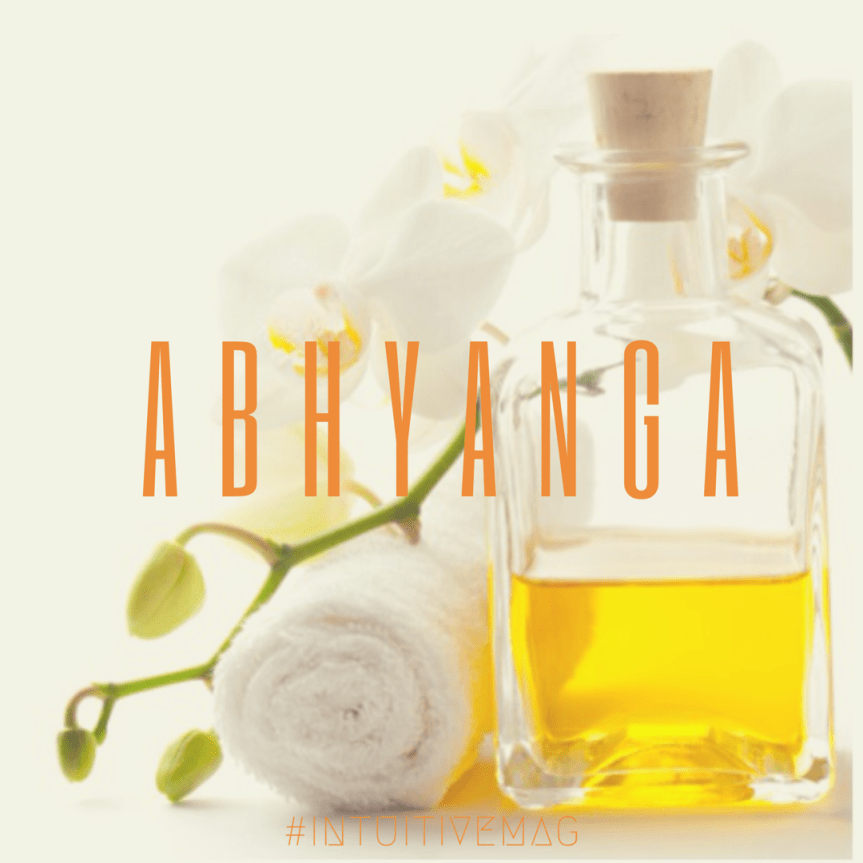
Abhyanga, a great way to start to get to know one of the five, (I’m a desi girl @ heart.) It’s called Panchakarma and means “five actions.” The benefits of this ancient, entirely natural detox method are being re-discovered today. Panchkarma is a set series of treatments first described in the ancient records of Ayurveda.
Panchakarma treatment is a truly unique approach for revitalization, rejuvenation and prevention.
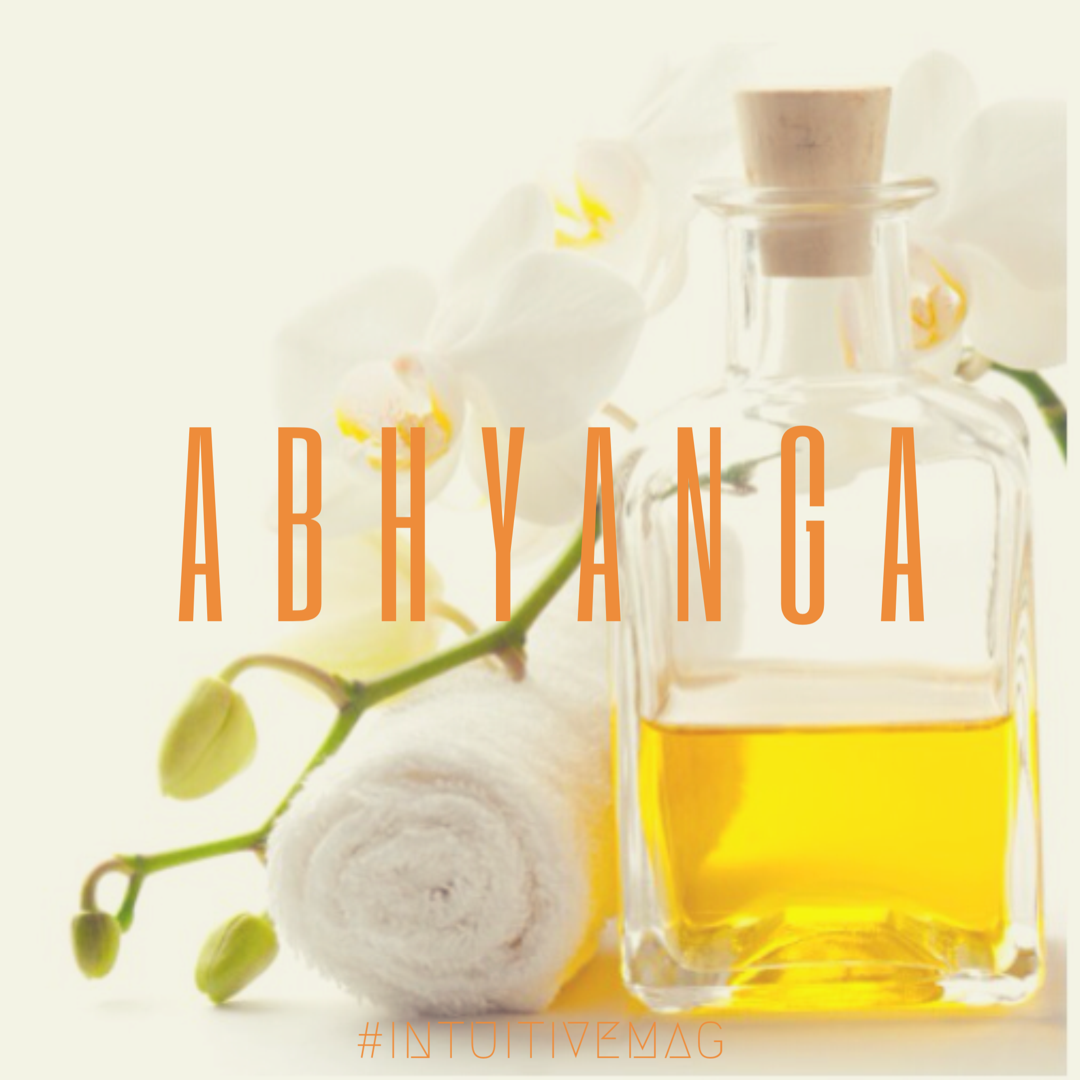
Authentic ayurvedic detox treatments are meant to be done in sequence. Each step and stage, physiologically, supports the next.
Your Best Detox- Start with Abhyanga
Abhyanga
Abhyanga is the name of the synchronized oil therapy, adjusted to your liking. During Abhyanga, Self-massage, it’s a healing treatment that dislodges from the body tissues those toxins which helps to harmonize the body’s functions.
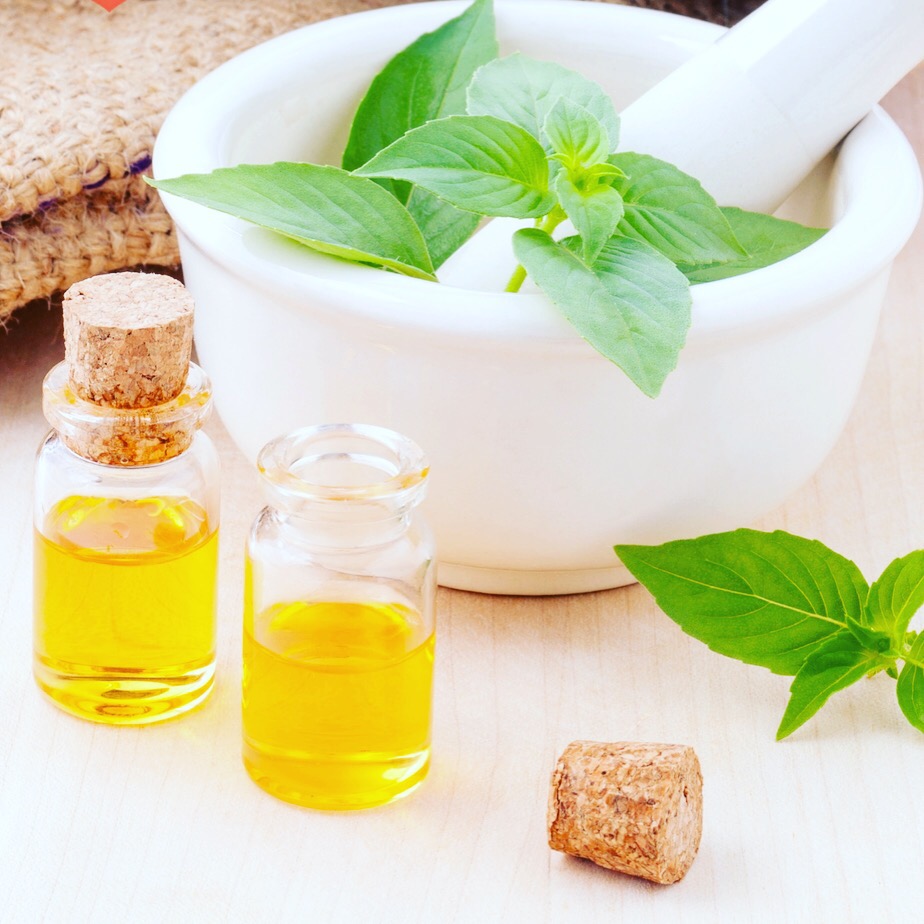
Silence and rest are important components in the process of activating the body’s own self-healing mechanisms. The abhyanga treatment uses herbal essences and massage oil formulation ingredients specially put together just for you.
Soothing oils for your Self- nurturing- Self massage – Self–improving- Abhyanga.
To Ayurveda Healing,
Kelly Krishna Dunn


When the five elements (tattvas) are strong, are in balance, and are located in their proper areas of the body, then you can resist stress, trauma, and illness. You do not get confused in conflicts between the two hemispheres of the brain as they compete for the right to make direct decisions.
This meditation we would like to share with you uses the hand mudra to pressure the 10 radiance points in the fingers that correlate to the zones of the 2 hemispheres. The equal pressure causes a kind of communication and coordination between the 2 hemispheres of the brain. The deep inhale gives endurance and calmness. The exhale through the mouth strengthens the parasympathetic system from a control band of reflexes in the ring of the throat. This calms reactions to stress.
The strokes of the exhale stimulate the pituitary to optimize clarity, intuition, and decision-making capacities. It resolves many inner conflicts, especially when the conflicts, especially when the conflicts are from different levels of functioning: spiritual versus mental versus physical, or survival needs.
Tattva Balance Meditation
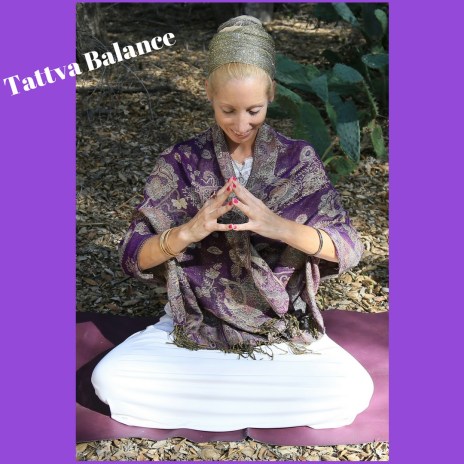
Sit in Easy Pose with a straight spine. Raise the arms with the elbows bent until the hands meet at the level of the heart in front of the chest. The forearms make a straight line parallel to the ground. Spread the fingers of both hands. Touch the fingertips and thumb tips of opposite hands together. Create enough pressure to join the first segments (counting from the tip) of each finger. The thumbs are stretched back and point towards the torso. The fingers are bent slightly due to the pressure. The palms are separated. Fix your eyes at the tip of the nose.
Create this breath pattern: Inhale slowly and deeply through the nose. Exhale through rounded lips in eight equal, emphatic strokes. On each exhale, pull the navel point in sharply. Continue for 3 minutes. Then inhale deeply, hold for 10-30 seconds, and exhale. Inhale again, and shake the hands over the head. Relax... Total Time: Start with 3 minutes and build a practice slowly to 11 minutes.
Peace to all, Light to all, Love to all.. Sat Nam. Sat Nam means Truth is my Identity.
Kelly Krishna Dunn 🙂

A mudra is a hand position that guides energy flow and by utilizing hand positions we can affect many systems in the body, each representing different emotions and behaviors.
Each finger relates to a planetary energy and the thumb represents individual persona. One of the most common mudras is Gyan Mudra (forefinger known as Jupiter finger and thumb touch) This mudra activates wisdom. By touching the fingers and palms, we can effectively communicate to the body and mind. It is a technique for giving clear messages to the mind-body-energy system.

Gyan Mudra is a powerful mudra practiced for thousands of years by yogis that bring peace, calm and spiritual progression. Spiritual masters such as Yeshua (Jesus), Buddha, and Guru Nanak are all shown regularly with this hand position relating to planet Jupiter.
How to do Gyan Mudra:
Connect the thumb and the forefinger tip to tip. The other fingers are straight but relaxed. Pressure between the thumb and Jupiter finger is light.

Why practice Gyan Mudra?
Gyan Mudra has variety. Stimulating the root chakra, it eases tension. Relates to expansion and knowledge. It is extremely calming and brings forth a spiritual openness and ease in meditation. Also, known as Vaayu-Varhak in traditional Ayurveda, this mudra boots the air element (Vaayu), stimulating the brain, empowering the mind, nervous system, and pituitary gland. Gyan Mudra’s benefits include stimulating the endocrine system and through the air element it dries out joints and cartilage which might be full of fluid, causing joint stiffness and pain.
Gyan mudra is most often practiced with the hands resting on the knees and the elbows straight. When the palms face down, the feeling it conveys is grounding and rooting oneself to the earth. When the palms point out, you are connecting yourself to celestial knowledge.
This wonderful technique can be done anywhere at anytime! For more information on mudras, mantras, meditations and kriyas, follow us on Facebook Twitter and Instagram
Peace to all, Life to all, Love to all, Sat Nam. Sat Nam means truth is my identity and Om Shanti.. Shanti means Peace.
Kelly Krishna Dunn

G’day everyone, Check out our ePub! Lol ha ha (to the ones who know me) nooo…not that kind of pub…but this irish girl is happy to share our #epub especially during a classic hour of happy hour! The links will guide you to our podcast, social media pages, suggested yoga and meditation sets and our boutique on etsy
See ya at the ePub!
Cheers,





 Intuitive Magazine