


Ganesha is one of the most distinctive Hindu deities with his large elephant head and pot-bellied human body. He plays a dual role of a supreme being powerful enough to remove obstacles and ensure success or create obstructions for those whose ambition has become destructive.
Ganesha is an archetype who you might call upon when you’re about to embark on a new endeavor. As the Remover of Obstacles and the god of success, Ganesha is honored throughout Indian and in Hindu cultures.

Like other archetypes, Ganesha can be a source of inspiration or act as a role model as you try to achieve a goal. Archetypes are found everywhere, including in art, literature, and film. Archetypes can be anyone who has traits you admire. In the Vedic tradition, they can play valuable roles in your relationships and spirituality as well as help shape your values and potential. Archetypes represent all of our collective soul’s yearnings, imagination, and deepest desires. And these themes have existed forever.
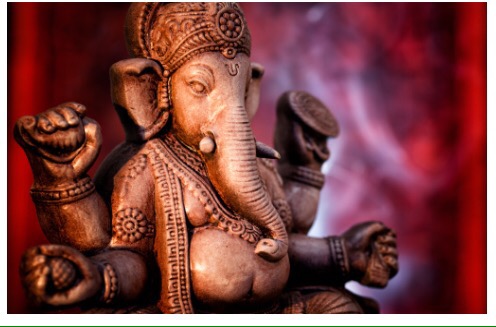
Om Gam Ganpataye Namah- It means bowing down to the almighty Ganpati with all our existence and accepting all his great qualities in our self being.
– K 🙂

Snowboarding season is one of our favorites. All three sports, snowboarding, skateboarding and surfing.
Snowboarding, in Tahoe, in the Sierra Nevada area, is our top choice for Ski/Snow Winter Escapes _snow_ escapades #californiasnow #cleansnow

Lake Tahoe has become a second home during January’s winter and summer house time by the lake in Emerald Bay, four seasons in California is magical.
California snow self-expression’s shines at snowfall, majestic energy, grateful to you and enlightenment vibes because Lake Tahoe is a vortex for healing.
To Healing,

The lake shines as aquamarine, bright healing color, very grounding for sensitive people. Mystical language from Lake Tahoe, beautiful Native American Spirit.

New Year Blessings,
K 🙂 kelly krishna

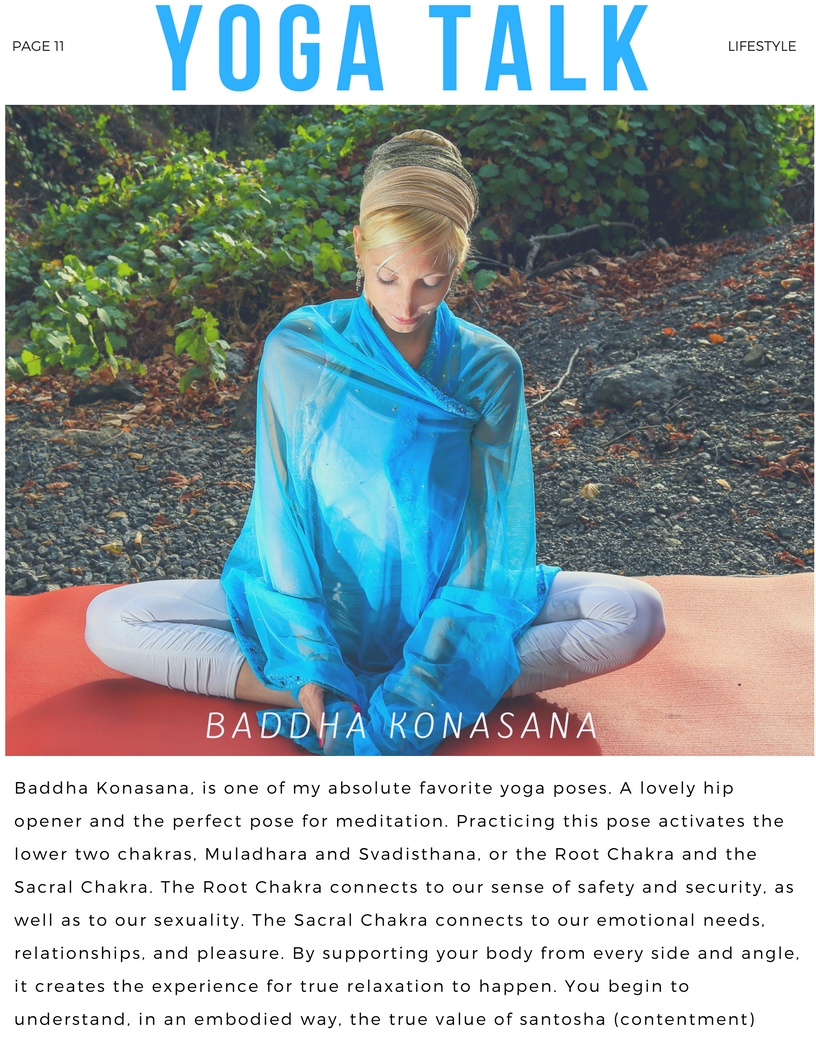
Baddha Konasana, is one of my absolute favorite yoga poses. A lovely hip opener and the perfect pose for meditation. Practicing this pose activates the lower two chakras, Muladhara and Svadisthana, or the Root Chakra and the Sacral Chakra. The Root Chakra connects to our sense of safety and security, as well as to our sexuality. Supta Baddha Konasana can relaunch your relaxed state of mind.
Find Santosha by practicing Baddha Konasana here on yoga-talk
To Santosha,
Kelly Krishna Dunn 🙂

When the five elements (tattvas) are strong, are in balance, and are located in their proper areas of the body, then you can resist stress, trauma, and illness. You do not get confused in conflicts between the two hemispheres of the brain as they compete for the right to make direct decisions.
This meditation we would like to share with you uses the hand mudra to pressure the 10 radiance points in the fingers that correlate to the zones of the 2 hemispheres. The equal pressure causes a kind of communication and coordination between the 2 hemispheres of the brain. The deep inhale gives endurance and calmness. The exhale through the mouth strengthens the parasympathetic system from a control band of reflexes in the ring of the throat. This calms reactions to stress.
The strokes of the exhale stimulate the pituitary to optimize clarity, intuition, and decision-making capacities. It resolves many inner conflicts, especially when the conflicts, especially when the conflicts are from different levels of functioning: spiritual versus mental versus physical, or survival needs.
Tattva Balance Meditation
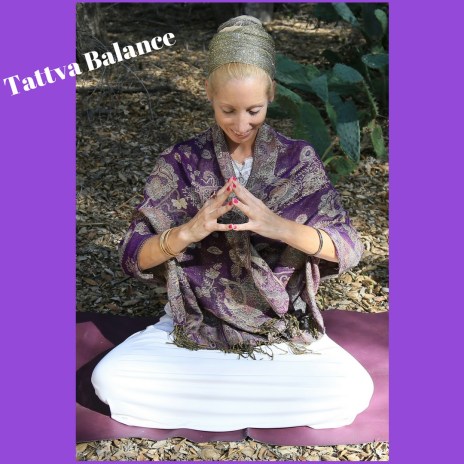
Sit in Easy Pose with a straight spine. Raise the arms with the elbows bent until the hands meet at the level of the heart in front of the chest. The forearms make a straight line parallel to the ground. Spread the fingers of both hands. Touch the fingertips and thumb tips of opposite hands together. Create enough pressure to join the first segments (counting from the tip) of each finger. The thumbs are stretched back and point towards the torso. The fingers are bent slightly due to the pressure. The palms are separated. Fix your eyes at the tip of the nose.
Create this breath pattern: Inhale slowly and deeply through the nose. Exhale through rounded lips in eight equal, emphatic strokes. On each exhale, pull the navel point in sharply. Continue for 3 minutes. Then inhale deeply, hold for 10-30 seconds, and exhale. Inhale again, and shake the hands over the head. Relax... Total Time: Start with 3 minutes and build a practice slowly to 11 minutes.
Peace to all, Light to all, Love to all.. Sat Nam. Sat Nam means Truth is my Identity.
Kelly Krishna Dunn 🙂

A mudra is a hand position that guides energy flow and by utilizing hand positions we can affect many systems in the body, each representing different emotions and behaviors.
Each finger relates to a planetary energy and the thumb represents individual persona. One of the most common mudras is Gyan Mudra (forefinger known as Jupiter finger and thumb touch) This mudra activates wisdom. By touching the fingers and palms, we can effectively communicate to the body and mind. It is a technique for giving clear messages to the mind-body-energy system.

Gyan Mudra is a powerful mudra practiced for thousands of years by yogis that bring peace, calm and spiritual progression. Spiritual masters such as Yeshua (Jesus), Buddha, and Guru Nanak are all shown regularly with this hand position relating to planet Jupiter.
How to do Gyan Mudra:
Connect the thumb and the forefinger tip to tip. The other fingers are straight but relaxed. Pressure between the thumb and Jupiter finger is light.

Why practice Gyan Mudra?
Gyan Mudra has variety. Stimulating the root chakra, it eases tension. Relates to expansion and knowledge. It is extremely calming and brings forth a spiritual openness and ease in meditation. Also, known as Vaayu-Varhak in traditional Ayurveda, this mudra boots the air element (Vaayu), stimulating the brain, empowering the mind, nervous system, and pituitary gland. Gyan Mudra’s benefits include stimulating the endocrine system and through the air element it dries out joints and cartilage which might be full of fluid, causing joint stiffness and pain.
Gyan mudra is most often practiced with the hands resting on the knees and the elbows straight. When the palms face down, the feeling it conveys is grounding and rooting oneself to the earth. When the palms point out, you are connecting yourself to celestial knowledge.
This wonderful technique can be done anywhere at anytime! For more information on mudras, mantras, meditations and kriyas, follow us on Facebook Twitter and Instagram
Peace to all, Life to all, Love to all, Sat Nam. Sat Nam means truth is my identity and Om Shanti.. Shanti means Peace.
Kelly Krishna Dunn




 Intuitive Magazine