Festival Of Love

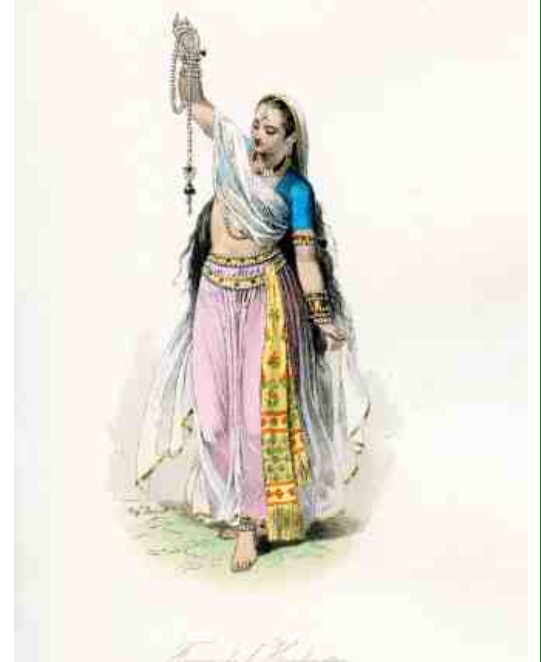
Holi is a Hindu spring festival celebrated in India and Nepal, also known as the “festival of colours” or the “festival of love.” 

The festival signifies the victory of light over darkness, the arrival of spring, end of winter, and for many a festive day to meet others, play and laugh, forget and forgive, and repair broken relationships. It is celebrated as Rangwali Holi – a free-for-all carnival of colours, where people smear each other with colours and groups carry drums and other musical instruments, go from place to place, sing and dance. People visit family and friends to throw coloured powders on each other, laugh and then share Holi delicacies, food and drinks. 

There is a symbolic legend to explain why Holi is celebrated as a festival of colours in the honor of Hindu god Vishnu. In the Braj region of India, where the Hindu deity Krishna grew up, the festival is celebrated in commemoration of the divine love of Radha for Krishna. 

Yoga Shala West

The spirit of Yoga Shala West shares a deep love for ashtanga yoga. Every morning becomes magical stepping into this sacred sanctuary which holds an omnipotent space quite strongly. With gratitude, to the founder of Yoga Shala West, Pranidhi Varshney for opening mysore-style shala in the heart of West Los Angeles. Doors open before sunrise for early morning mysore risers. It feels special to connect to our divine aspect, opening the mind to gain clarity, connection, and compassion in our relationship with our self and the world.

This hidden gem offers morning, afternoon and weekend mysore. The traditional practice that cultivates the mysterious healing power of synchronizing breath with movement. In addition to mysore, the studio also has intriguing events, sound healing baths, led classes, guest teachers, mantra, singing, and harmonium that accompanies many classes. Pranidhi teaches morning mysore, and on Fridays’ devotional music is played, a personal favorite honoring spiritual traditional music like contemporary Indian, Sufi, devotional chanting, vedic chanting all with an omniscient experience of isvarapranidhana. Devotion to the Divine. This devotion means a surrender of all thoughts to the Divine, a merging with the Divine being able to completely surrender our individual ego identities to our own higher self. This unique method of yoga practice allows everyone with varying physical abilities to create a sacred space together.

This five-star community ashtanga yoga shala is highly recommended. Afternoon mysore is rare to find in any city and Nina Collins who loves teaching and sharing the mysore tradition method with her students, has an afternoon mysore program. Her love for teaching shows and she brings a sense of inspiration, focus, and commitment to the practice. This is indeed a fine way to live an authentic compassionate life.
“Practice and all is coming.” Sri Krishna Pattabhi Jois

For more information or if you happen to be in West LA and want to check it out visit  yogashalawest.com

By Kelly Krishna Dunn

Ayurveda and Aromatherapy 

In Ayurveda aroma or essential oils collected from the plant are considered their life force or soul. 

The innate intelligence of the plant captured in essential oil can awaken our body, mind and senses. From an Ayurvedic perspective the ‘aroma’ is the life force or #prana, uplifting quality of the oils increases our Ojas (immunity) and the response of the body or the interaction of the body with the oil can improve Tejas (radiance and glow). 


Ayurvedic practitioners use essential oils, incense, and floral water to uplift the mood, calm and relax the nervous system, relieve imbalances of the doshas and improve cognitive and other physiological as well as psychological functions of the body.

Ayurveda also indicates to be mindful about the seasonal changes when using essential oils. In winter strong, spicy and hot oils such as eucalyptus, thyme or camphor can be used. The essential oils potentially are antibacterial, antifungal and antiviral. They also have the ability to alter body chemistry and therapeutic responses.

Which Aromas are Best for Vata? 

Vatas are full of energy and creativity when their dosha is in balance. When unbalanced, Vatas have a hard time focusing that energy and they can become anxious and restless. That’s where aromatherapy comes in. 

Aromas suggested for Vata 
For someone whose primary dosha is Vata, warm, sweet, and sour aromas are generally the most balancing. 

Basil

Orange

Rose

Geranium

Clove

Patchouli

Vanilla

You can place a drop of the oil on the back of your hand or wrist and inhale the scent. Another way to use aromatherapy is to place about 10 drops of an essential oil in hot water and allow the scent to fill the room for a half hour. It’s fun to experiment with the combinations and create your own essential oil mixtures. 

Explore for yourself and see which aromatherapy techniques work best for you.

Sattvic energies 

Ayurveda sparks your morning with Ayurvedic routines to keep your mind and body balanced and healthy. 

A daily routine develops to bring radical change in body, mind, and consciousness. 

Routine helps to establish balance in one’s constitution. It also regularizes a person’s biological rhythms, aids digestion, absorption and assimilation, and generates self-esteem, discipline, peace, happiness, and longevity. 

A helpful suggestion is to wake up before the sun rises, when there are loving (sattvic) qualities in nature that bring peace of mind and freshness to the senses. 

 Right after waking, look at your hands for a few moments, then gently move them over your face and chest down to the waist. This cleans the aura. 

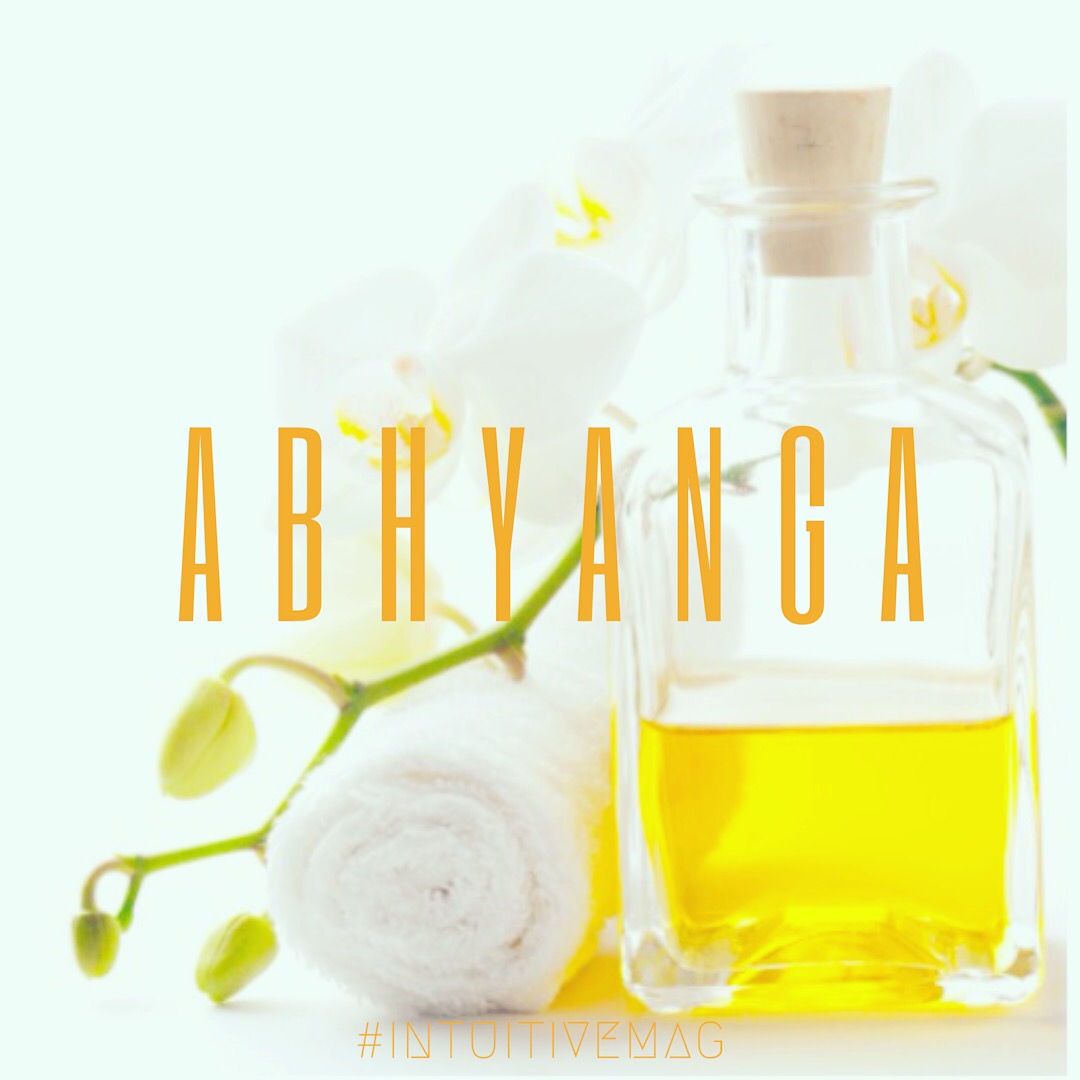
Do you know what pairs well with an Ayurvedic morning routine? Yoga, Meditation and self-massage called #abhyanga 

Monday Meditation 

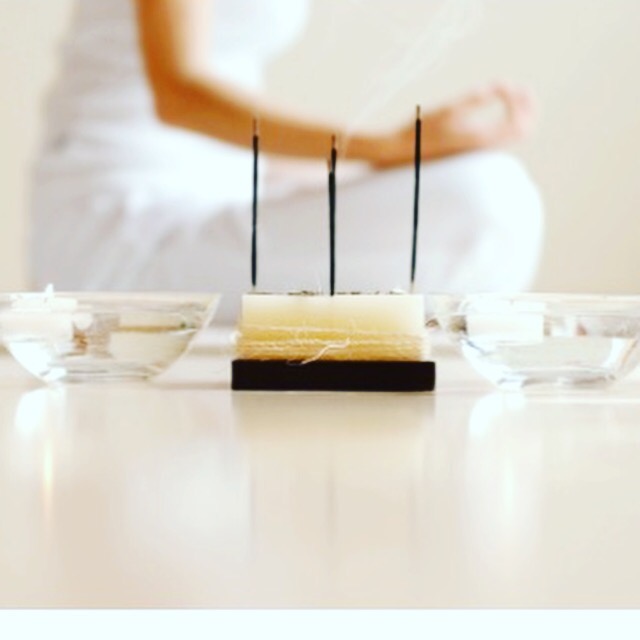
Morning meditation with the smell of  nag champa mmm.. enhances your meditation and creates a sacred atmosphere in your own home or @ the yoga studio. 

We know just what to do … burn nag champa incense. Its aroma will transport you to the spiritually elevated surroundings of tranquil Buddhist and Hindu monasteries where generations have blended secret mixtures of this calming floral aroma.  #meditationmonday #krishna 

Happy Birthday Goddess Saraswati 

The festival Panchami in India is known as Saraswati Puja. The word “vasant” means spring, and Vasant Panchami marks the beginning of the spring season and the coming of the festival of Holi.
Goddess Saraswati Devi is the goddess of wisdom, speech, learning, higher education and music. She presents holding her instrument the veena in two hands, a book in another, and a mala (for mantra repetition) in the fourth hand. Goddess Saraswati  wears a white sari and loves to sit on a lotus or a swan which are symbols of purity.


Devotees and students perform a puja (ceremonial worship) to Saraswati and ask her to bless their books and other school supplies, so that they perform well in studies and are blessed with her qualities. Books in India are thought as sacred objects, so they are never put on the floor. Yellow flowers are offered to Saraswati during the Vasant Panchami puja for Saraswati’s Birthday! 

Birthday Blessings and Happy February! 

Kelly Krishna Dunn 

Ganesha 

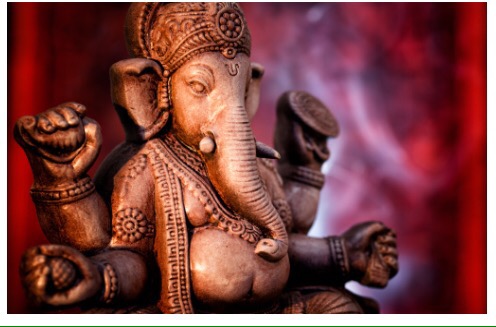
Ganesha is one of the most distinctive Hindu deities with his large elephant head and pot-bellied human body. He plays a dual role of a supreme being powerful enough to remove obstacles and ensure success or create obstructions for those whose ambition has become destructive.  
Ganesha is an archetype who you might call upon when you’re about to embark on a new endeavor. As the Remover of Obstacles and the god of success, Ganesha is honored throughout Indian and in Hindu cultures. 

Like other archetypes, Ganesha can be a source of inspiration or act as a role model as you try to achieve a goal. Archetypes are found everywhere, including in art, literature, and film. Archetypes can be anyone who has traits you admire. In the Vedic tradition, they can play valuable roles in your relationships and spirituality as well as help shape your values and potential. Archetypes represent all of our collective soul’s yearnings, imagination, and deepest desires. And these themes have existed forever. 


Om Gam Ganpataye Namah- It means bowing down to the almighty Ganpati with all our existence and accepting all his great qualities in our self being.

– K 🙂 

Janu Vasti 

Janu vasti is a part of panchakarma in Ayurveda. #janu refers to knee joint, #vasti is the procedure of applying heat to the area by preserving warm medicated oil for treatment and pooled into a compartment of flour built around the knee joint, #januvasti.