Which Aromas are Best For Kapha? 

Kaphas are calm, consistent, steady, and reliable when their dosha is balanced, but as soon as they fall off balance, Kaphas can have a hard time motivating themselves. 

Aromatherapy can be an effective form of natural medicine and one way Kaphas can reinvigorate their dosha and get back on track.  


For someone whose primary dosha is Kapha, warm, spicy, and stimulating aromas are generally the most balancing. Suggested aromas.. 

Camphor

Juniper

Eucalyptus

Marjoram

Clove

Ayurveda and Aromatherapy 

In Ayurveda aroma or essential oils collected from the plant are considered their life force or soul. 

The innate intelligence of the plant captured in essential oil can awaken our body, mind and senses. From an Ayurvedic perspective the ‘aroma’ is the life force or #prana, uplifting quality of the oils increases our Ojas (immunity) and the response of the body or the interaction of the body with the oil can improve Tejas (radiance and glow). 


Ayurvedic practitioners use essential oils, incense, and floral water to uplift the mood, calm and relax the nervous system, relieve imbalances of the doshas and improve cognitive and other physiological as well as psychological functions of the body.

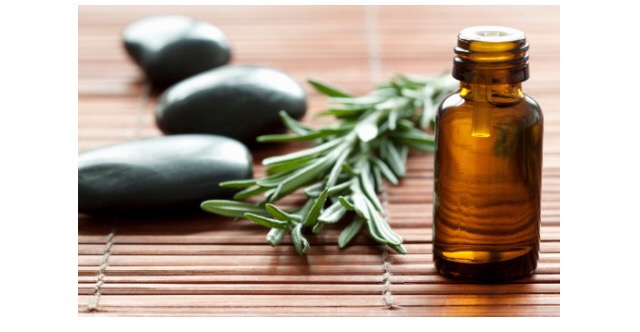
Ayurveda also indicates to be mindful about the seasonal changes when using essential oils. In winter strong, spicy and hot oils such as eucalyptus, thyme or camphor can be used. The essential oils potentially are antibacterial, antifungal and antiviral. They also have the ability to alter body chemistry and therapeutic responses.

Which Aromas are Best for Vata? 

Vatas are full of energy and creativity when their dosha is in balance. When unbalanced, Vatas have a hard time focusing that energy and they can become anxious and restless. That’s where aromatherapy comes in. 

Aromas suggested for Vata 
For someone whose primary dosha is Vata, warm, sweet, and sour aromas are generally the most balancing. 

Basil

Orange

Rose

Geranium

Clove

Patchouli

Vanilla

You can place a drop of the oil on the back of your hand or wrist and inhale the scent. Another way to use aromatherapy is to place about 10 drops of an essential oil in hot water and allow the scent to fill the room for a half hour. It’s fun to experiment with the combinations and create your own essential oil mixtures. 

Explore for yourself and see which aromatherapy techniques work best for you.

Sattvic energies 

Ayurveda sparks your morning with Ayurvedic routines to keep your mind and body balanced and healthy. 

A daily routine develops to bring radical change in body, mind, and consciousness. 

Routine helps to establish balance in one’s constitution. It also regularizes a person’s biological rhythms, aids digestion, absorption and assimilation, and generates self-esteem, discipline, peace, happiness, and longevity. 

A helpful suggestion is to wake up before the sun rises, when there are loving (sattvic) qualities in nature that bring peace of mind and freshness to the senses. 

 Right after waking, look at your hands for a few moments, then gently move them over your face and chest down to the waist. This cleans the aura. 

Do you know what pairs well with an Ayurvedic morning routine? Yoga, Meditation and self-massage called #abhyanga 

Aromatherapy, Ayurveda and a Wizardess 

Aroma Therapy is a significant part of the treatment process in Ayurveda. Our sense to scent is a potent wizard, or wizardess and   aromas can transport anyone  across time and space. 

Astonishingly remarkable Essential oils and plant extracts are known to promote harmony and increase vitality to the max. #restore #vitality #aromatherapy  #krishna 


There are very specific aromas that are known to restore the flow of vital energy within the mind and body. 

Ayurveda teaches that nothing has more power to heal and transform the body and the mind. Our sense of smell is directly connected to our mind’s state of being and powerfully impact our mind through the scents that we breathe. 
May the long time sun shine upon you, all love surround you, and the pure light, within you, guide your way on. 

Edible Flowers 

Nothing says gourmet like a sprinkling of colorful edible flower petals, a tiny bouquet of edible flowers are a fun and a simple way to add color and flavor to all sorts of dishes-  especially when you can pick them right from your own garden.
Most edible flowers are best eaten raw. Simply pick and rinse with water. Flowers will taste and look their best right after they have blossomed, rather than after they have been open for a few days.
Not every flower is edible. So stick with flowers that you know you can eat to ensure your safety or check out our edible flowers list below

1. Flower power Rose 

Not only delightful to witness they are an edible. 

2. Violets

Violets are medicinal. Sweet violets are edible flowers that can be used in a variety of salads, soup, desserts, tea and other medicinal uses.  
3. Daisies 
The tiny flower buds and petals make great sandwiches, salads, and children love to flower pick daisies and make daisy necklaces. 

4. Allium

Every part of these plants are edible flowers. All blossoms from the allium family (leeks, chives, garlic, garlic chives) are edible and flavorful!  

5. Angelica

Beautiful color and variety, flowers range from pale lavender-blue to deep rose and have a licorice-like flavor.
6.  Anise hyssop

Both flowers and leaves taste like licorice and subtle anise. 

7.  Arugula

Small Blossoms with a peppery flavor much like the leaves. 
8. Bachelor’s button

The petals are edible and are grassy in flavor and taste. Avoid the calyx, it’s bitter. 

9. Basil

Blossoms come in a variety of colors, from white to pink to lavender; it tastes like the leaves, but milder.

10. Bee balm

Minty flavor in the red of the flowers.
11. Borage

Blue Blossoms that taste like cucumber!

12. Calendula / marigold

Calendula blossoms are spicy, peppery and tangy. A great flower for eating, and their golden color adds vibrant golden to any dish.  

13. Carnations / dianthus

Petal blossoms taste like their perfumed Aroma, and are sweet, once trimmed. 

Eat only the petals, remove stamens and pistils before eating. Do not eat roadside flowers or those picked in public parks. Both may have been treated with pesticide and roadside flowers may be polluted by car exhaust.

If you are allergic to anything,  introduce edible flowers gradually, as they may exaggerate the allergies.
Water your flowers and communicate with them as the grow. Flowers are highly intuitive and speak with you in a telepathic language. 

Flower tip: Ice water can revitalize limp flowers. 

We love flowers and plan on sharing our edible flower series of ebooks coming soon to a smart phone, tablet or any other technical device soon. 
I like how WordPress writes “Thanks for flying with us” then W (WordPress logo) love it 

Thanks for flying with us!! 
Intuitive KS aka Kelly Krishna Dunn 🙂 

  

The Ancient Healing Spice 

Cinnamon is a spice commonly used in cooking that comes from the bark of the cinnamon tree. When the bark is removed, it’s called a cinnamon stick. 

Cinnamon has also been used as medicine in traditional healing. You can grind up fresh cinnamon sticks to make tea, to cook into your food or sprinkle on oatmeal, soups, rice dishes or desserts.

 In Ayurvedic terms, cinnamon pacifies Vata and Kapha doshas. It has a sweet, pungent, and bitter rasa, taste and is excellent for digestion, strengthening the heart and warming the kidneys. 

However you apply cinnamon in stick or in powder form, cinnamon is sure to spice up your life! 

Turmeric- The Golden Spice 

In ancient Ayurveda, herbs are seen as the spiritual essence, the Kundalini of plants. Plants and herbs carry within them the wisdom of cosmic intelligence, and the healing vibrations of nature. 

According to Ayurveda, humans and plants have had a spiritual connection. To incorporate turmeric into your daily routine and life you can in every-way. Turmeric is known as the spice of LIFE. It purifies the blood and the channels of the body. It improves the skin’s complexion, bringing circulation and nutrition to the skin. Turmeric is anti-inflammatory and balances all the doshas, but it balances Pitta the most because of its blood-cleansing and liver-cleansing properties.

You can use 1 tsp of #turmeric per day in some form, whether in tea, on the skin, or in the diet. Add some in as you are making breakfast or sautéeing veggies in coconut oil to place over quinoa. Boil some turmeric in coconut milk with honey before bed. So many possibilities that improve health and well-being. #love, #krishna